Crafting an Eco-Friendly, Clutter-Free Home
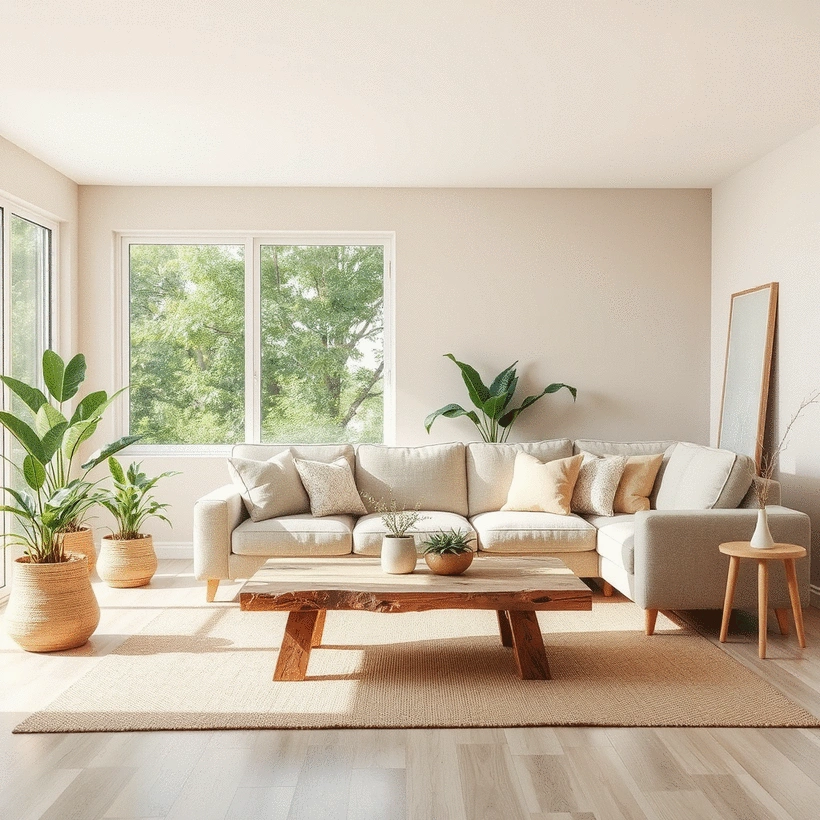
Did you know that adopting a clutter-free lifestyle can significantly enhance your mental well-being while promoting sustainability? Transforming your living space into an eco-friendly sanctuary is not just beneficial for you but also for the planet. Let's explore how you can create a harmonious, clutter-free home that respects the environment.
What You Will Learn
- The significance of a clutter-free home for mental clarity and environmental responsibility.
- How the One-In-One-Out Rule can help maintain a balanced living space.
- Effective strategies for donating and recycling items to reduce waste and support your community.
- The benefits of choosing eco-friendly materials like bamboo, recycled plastic, and glass for storage solutions.
- Creative ideas for repurposing everyday items to minimize waste and save money.
- Steps to implement composting in your kitchen to reduce food waste and create nutrient-rich soil.
- How to incorporate minimalist furniture choices for a peaceful living environment.
- The importance of energy-efficient lighting and indoor plants for improving air quality and ambiance.
- Customized decluttering techniques for different rooms to facilitate sustainable organizing.
- Digital tools and apps that can assist in tracking your sustainability journey.
- The principles of conscious consumerism and how to make informed purchasing decisions.
Measuring the Benefits of Your Eco-Friendly Lifestyle
Here are key metrics to track your sustainability efforts and their positive impacts on the environment, helping you understand how to achieve budget-friendly home cleanout options.
Waste Reduction
Monitor the amount of rubbish you throw away each week. Aim for a decrease over time.
Recycling Rates
Keep track of how much you recycle compared to how much you dispose of in landfills.
Energy Consumption
Review your energy bills to see if there's been a drop in usage after implementing energy-efficient choices.
Water Usage
Track water consumption, especially if you've made changes like installing low-flow fixtures.
Creating a Sustainable Sanctuary: Your Guide to an Eco-Friendly Home
Are you ready to transform your living space into a sustainable sanctuary? Embracing an eco-friendly home not only benefits the planet but also enhances your well-being! By reducing clutter and making mindful choices, you can create a clean, livable environment that feels great and contributes to a healthier world.
Understanding the Importance of a Clutter-Free Eco-Friendly Home
In today’s fast-paced life, it’s easy to accumulate items that serve no purpose. A cluttered home can lead to stress, while a clean and organized space promotes relaxation and clarity. Plus, by reducing clutter, you're taking a step towards a more sustainable lifestyle that benefits both you and the environment.
When we embrace sustainability, we not only clear our physical space but also lighten our mental load. A clutter-free home inspires us to be more mindful about what we bring into our lives. This not only helps the planet but also encourages a sense of community and connection with those around us, similar to promoting local eco-friendly rubbish removal options!
Embracing a Mindful Decluttering Approach
Implementing the One-In-One-Out Rule for Sustainable Living
The One-In-One-Out Rule is a simple yet effective approach to manage clutter. For every new item you bring into your home, consider letting go of one existing item. This helps maintain balance and ensures you don’t accumulate unnecessary belongings.
By following this rule, you’ll be surprised at how quickly your space can become more organized! Remember, every little step counts, and being mindful of your purchases can lead to a more intentional and sustainable lifestyle.
Strategies for Donating and Recycling Unwanted Items
Letting go of belongings can be tough, but there are many responsible ways to do it! Donating items to local charities or shelters can help those in need, while recycling ensures that materials are repurposed. Here are some great options:
- Check for local charities that accept clothing, furniture, and household goods.
- Research recycling centers for electronics and hazardous materials.
- Organize a community swap event with friends or neighbors.
By donating and recycling, you’re not only decluttering your home but also supporting your community and reducing waste!
Choosing Sustainable Storage Solutions
Opting for Eco-Friendly Materials: Bamboo, Recycled Plastic, and Glass
When it comes to storage solutions, choosing eco-friendly materials can make a big difference! Items made from bamboo, recycled plastic, and glass are not only stylish but also environmentally friendly. They support sustainability while providing functional storage.
Here’s why these materials are worth considering:
- Bamboo: A fast-growing plant that requires less water and no pesticides.
- Recycled Plastic: Helps divert plastic waste from landfills while creating durable products.
- Glass: Reusable and recyclable, glass is a healthier alternative to plastic.
Repurposing and Upcycling Everyday Items for Storage
Unleash your creativity by repurposing everyday items! Upcycling is a fun way to give new life to objects you might otherwise throw away. Here are a few ideas to get you started:
- Use old jars for organizing office supplies or kitchen utensils.
- Transform wooden crates into stylish shelving units.
- Turn worn-out suitcases into unique storage solutions for blankets or toys.
By giving new purpose to items, you're not only saving money but also minimizing waste, creating a more sustainable home environment.
Designing an Eco-Friendly Clutter-Free Kitchen
Using Storage Solutions Made from Sustainable Materials
Let’s dive into the heart of the home: the kitchen! It’s essential to choose storage solutions that align with your eco-friendly values. Look for products made from sustainable materials to keep your kitchen organized. For example:
- Bamboo drawer organizers for utensils and gadgets.
- Glass containers for storing grains and snacks.
- Recycled plastic bins for sorting pantry items.
These options not only help you stay organized but also look great while supporting the planet!
Implementing a Composting System to Reduce Kitchen Waste
Starting a composting system is a fantastic way to reduce kitchen waste and support sustainability. Composting transforms food scraps into nutrient-rich soil, perfect for your garden! Here are some simple steps to get started:
- Choose a compost bin or pile location in your yard.
- Add food scraps, such as fruit and vegetable peels, along with yard waste.
- Turn the compost regularly to aerate and speed up the decomposition process.
With a little effort, you’ll be amazed at how much waste you can divert from the landfill!
Creating a Peaceful Eco-Friendly Living Room Environment
Incorporating Minimalist Furniture Choices
Minimalism is not just a trend; it’s a lifestyle choice that promotes a clutter-free and peaceful home. By opting for minimalist furniture, you can create a spacious and airy atmosphere. Consider these tips:
- Choose multifunctional furniture, like ottomans with storage.
- Invest in quality over quantity—select pieces that are durable and timeless.
- Keep decor simple and intentional, selecting a few meaningful items.
With fewer distractions, your living room can become a serene retreat!
Enhancing Ambiance with Energy-Efficient Lighting
Good lighting can transform a space, making it feel warm and inviting. By choosing energy-efficient lighting, you’re not only saving money but also reducing your carbon footprint. Consider these options:
- LED bulbs that last longer and use less energy.
- Natural light through strategically placed mirrors.
- Table lamps with eco-friendly materials for accent lighting.
Brighten your living room while promoting sustainability—it's a win-win!
Incorporating Indoor Plants for Improved Air Quality
Indoor plants are not just beautiful; they also improve air quality! By adding greenery to your space, you create a healthier environment for you and your family. Here are some plants to consider:
- Spider Plant: Great for air purification and easy to care for.
- Peace Lily: Removes toxins and adds a touch of elegance.
- Snake Plant: Thrives in low light and releases oxygen at night.
Plus, plants bring a vibrant and refreshing atmosphere to your home!
Room-Specific Decluttering Strategies for an Eco-Friendly Home
Tailoring Decluttering Techniques for Each Room
Different rooms require different approaches to decluttering. Here’s how to apply sustainable organizing principles in various spaces:
- In the bedroom, focus on clothing—donate unused items and optimize drawer space.
- In the bathroom, discard expired products and switch to refillable containers.
- In the garage, sort tools and equipment—keep only what you use regularly!
By customizing your decluttering techniques, you’ll find it easier to maintain an organized home! You can also explore how to declutter your home with ease for more tips.
Long-Term Maintenance Plans to Keep Your Home Clutter-Free
Once you've decluttered, it's vital to establish maintenance plans. Here are a few tips to keep your home clutter-free:
- Set aside regular time each month for quick cleanouts.
- Create a designated space for new items to prevent overflow.
- Encourage family members to follow the One-In-One-Out Rule.
With these strategies, your sustainable home will remain a tranquil and organized sanctuary!
Incorporating Digital Tools for Sustainable Living
Apps and Resources for Tracking Your Eco-Friendly Journey
Embracing technology can help you stay on track with your sustainability goals! There are plenty of apps and resources available to assist you on your journey. Here are some popular ones:
- Olio: A food-sharing app to reduce food waste.
- GoodGuide: Helps you find sustainable and ethical products.
- JouleBug: Offers tips for living sustainably and tracking your progress.
Using these tools can empower you to make informed choices and stay committed to your eco-friendly lifestyle!
Exploring Conscious Consumerism in Your Home
Understanding conscious consumerism is essential for making the right purchasing decisions. This means supporting ethical brands and choosing sustainable products that align with your values. Consider these key points:
- Research brands that prioritize eco-friendly practices.
- Focus on quality items that will last, reducing the need for replacements.
- Support local businesses that contribute to your community.
When you make informed choices, you not only benefit yourself but also support a greener world!
Quick Summary
Here's a brief recap of the key points discussed so far:
- Creating a clutter-free home enhances your well-being and supports sustainability.
- The One-In-One-Out Rule helps maintain balance and prevents unnecessary accumulation of items.
- Choosing eco-friendly materials and repurposing everyday items contributes to a sustainable environment.
- Incorporating indoor plants improves air quality and adds vibrancy to your home.
- Community involvement and conscious consumerism amplify the impact of your sustainability efforts.
Frequently Asked Questions (FAQs)
Reflecting on the Journey: The Impact of a Clutter-Free Eco-Friendly Home
As we take a moment to reflect on our journey towards a clutter-free and eco-friendly home, it’s crucial to recognize the positive changes we've embraced. Not only does it enhance our living space, but it also contributes significantly to a healthier planet. Adopting sustainable practices allows us to feel good about our choices, and that’s something worth celebrating!
Measuring the impact of our efforts can be motivating. By keeping track of our progress, we can see just how far we've come in our sustainability journey. Let’s explore some ways to quantify the benefits of our eco-friendly lifestyle!
Measuring the Benefits of Your Eco-Friendly Lifestyle
One way to gauge the success of our sustainability efforts is by looking at specific metrics. These numbers can provide insight into how we are reducing waste and living in a more eco-conscious manner. Here are some metrics to consider:
- Waste Reduction: Monitor the amount of rubbish you throw away each week. Aim for a decrease over time.
- Recycling Rates: Keep track of how much you recycle compared to how much you dispose of in landfills.
- Energy Consumption: Review your energy bills to see if there's been a drop in usage after implementing energy-efficient choices.
- Water Usage: Track water consumption, especially if you've made changes like installing low-flow fixtures.
By focusing on these metrics, we not only motivate ourselves but also inspire others around us to join the movement towards sustainability!
Encouraging Community Involvement in Sustainable Practices
As we continue on our eco-friendly journey, it’s essential to share our experiences with others. By talking about our successes and challenges, we can influence our friends, family, and community. Here’s how you can encourage community involvement:
- Host Workshops: Organize events to teach others about decluttering and sustainable practices.
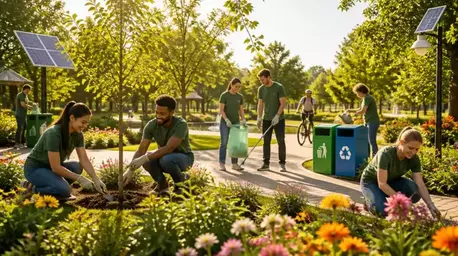
- Join Local Initiatives: Participate in community clean-up days or recycling drives to show the impact of collective effort.
- Share Your Story: Use social media platforms to document your journey and inspire others to take action.
- Collaborate with Local Businesses: Partner with companies like Rubbish Nest that focus on sustainability to amplify the message.
By getting involved and sharing our stories, we can create a ripple effect that encourages more people to take steps toward an eco-friendly lifestyle!
Take Action: Start Your Clutter-Free, Eco-Friendly Transformation Today
Now that we've explored the benefits and community involvement, it’s time to take action! You don’t have to wait any longer to start making changes in your home. Here are some simple steps you can take to kickstart your clutter-free, eco-friendly transformation:
- Set Clear Goals: Define what you want to achieve in your decluttering and sustainability journey.
- Start Small: Choose one room or area to focus on first—progress is progress, no matter how small!
- Seek Support: Don't hesitate to ask for help from family, friends, or even professionals like Rubbish Nest! For larger projects, consider exploring professional rubbish removal services explained to streamline your efforts.
- Celebrate Successes: Acknowledge your achievements, no matter how minor, to keep up the momentum.
Embrace the journey and enjoy the rewards of a clutter-free and eco-friendly home! Together, we can create a brighter, cleaner future for ourselves and the planet.
Recap of Key Points
Here is a quick recap of the important points discussed in the article:
- A clutter-free home reduces stress and promotes a sustainable lifestyle.
- Implement the One-In-One-Out Rule to manage clutter effectively.
- Donate or recycle unwanted items to support your community and reduce waste.
- Choose eco-friendly materials for storage solutions, such as bamboo and recycled plastic.
- Embrace minimalism in furniture choices to create a serene living space.
- Incorporate energy-efficient lighting to enhance ambiance while minimizing your carbon footprint.
- Utilize indoor plants to improve air quality and bring life to your home.
- Tailor decluttering strategies for different rooms to maintain organization effectively.
- Use digital tools to track your sustainability journey and make informed choices.
- Engage in community initiatives to inspire others towards eco-friendly practices.