Small Business Waste, Big Solutions
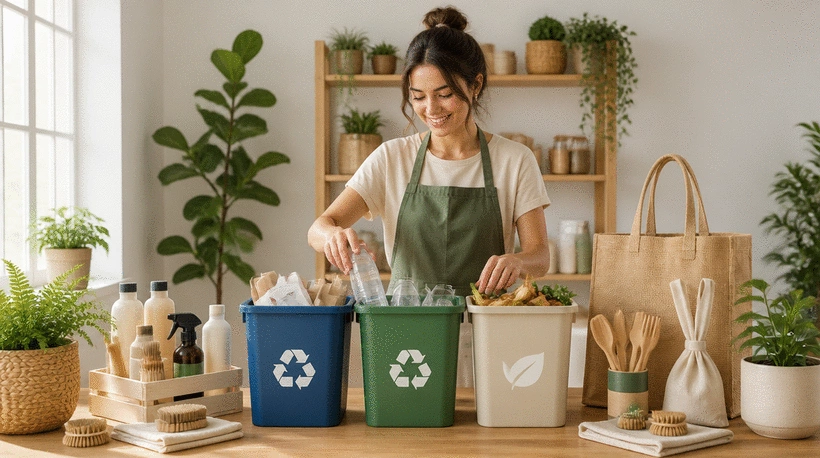
As the world shifts towards eco-consciousness, small businesses must adapt to the changing expectations of their customers. By embracing eco-friendly waste management practices, you not only contribute positively to the environment but also enhance your brand's reputation.
What You Will Learn
- Eco-friendly waste management solutions help minimize waste and conserve resources, leading to cost savings and a positive environmental impact.
- Integrating sustainable practices into your business enhances brand image, attracts eco-conscious customers, and promotes workplace morale.
- Exploring and incorporating eco-friendly products, such as biodegradable office supplies and energy-efficient lighting, can significantly reduce your carbon footprint.
- Effective composting practices can transform organic waste into valuable resources, while also reducing landfill contributions and greenhouse gas emissions.
- Properly managing special waste streams, such as e-waste and hazardous materials, ensures compliance with regulations and prevents environmental harm.
- Implementing an Environmental Management System (EMS) can help streamline compliance efforts and foster sustainable business practices.
Eco-Friendly Waste Management Solutions Overview
Here’s a summary of key eco-friendly waste management solutions for small businesses, highlighting benefits and practices. For a deeper dive into making your business more sustainable, consider exploring budget-friendly home cleanout options that can also inspire waste reduction strategies for your commercial space.
Reducing Waste
Minimize waste at the source through smarter purchasing decisions.
Recycling Programs
Implement recycling programs for paper, plastic, and metal.
Composting
Convert organic waste into nutrient-rich soil, reducing landfill waste.
Sustainable Packaging
Use recyclable or biodegradable materials for packaging.
Biodegradable Materials
Incorporate biodegradable materials for a positive environmental impact.
Eco-Friendly Products
Choose recycled and sustainable products for daily operations.
Understanding Eco-Friendly Waste Management for Small Businesses
As a small business owner, understanding the ins and outs of eco-friendly waste management is essential. Here at Rubbish Nest, we believe that every action counts towards a cleaner planet. By incorporating sustainable waste practices, you not only contribute to environmental health but also enhance your business's reputation among eco-conscious customers.
In today's world, consumers are increasingly looking for businesses that prioritize sustainability. They want to know that you care about the environment as much as they do. This shift is not just about being trendy; it’s about making a real difference. Let's explore how you can implement eco-friendly solutions in your operations for a better tomorrow!
Defining Eco-Friendly Waste Management Solutions
Eco-friendly waste management solutions focus on minimizing waste and conserving resources. These can include practices such as reducing waste generation, recycling materials, and using renewable resources. Small businesses can adopt these practices to not only lessen their environmental impact but also save money in the long run.
Here’s a quick overview of what these solutions often entail:
- Reducing waste at the source through smarter purchasing decisions.
- Implementing recycling programs for paper, plastic, and metal.
- Partnering with local waste management companies like Rubbish Nest to ensure responsible disposal, much like our professional rubbish removal services explained.
Importance of Sustainable Practices in Business Operations
Integrating sustainable practices into your business operations isn't just good for the planet; it also benefits your bottom line! For instance, by reducing waste, you can lower disposal costs and improve efficiency. Additionally, a commitment to sustainability can foster customer loyalty and attract new clients who prioritize eco-friendliness.
Here’s why sustainability should be at the forefront of your business strategy:
- Enhances your brand image and attracts eco-conscious customers.
- Promotes a positive workplace culture among employees.
- Encourages innovation and efficiency in operations.
Exploring Eco-Friendly Products for Your Business
Looking for ways to go green? Start by exploring eco-friendly products that can elevate your business operations. From office supplies to cleaning products, there are plenty of sustainable options that can help you reduce your carbon footprint.
Consider the following eco-friendly products to incorporate into your business:
- Recycled paper and biodegradable office supplies.
- Eco-friendly cleaning supplies that reduce toxic waste.
- Energy-efficient lighting to cut down on electricity usage.
Identifying Sustainable Packaging Options
Packaging is a significant aspect of waste management for many businesses. When it comes to eco-friendly packaging, consider materials that are either recyclable or biodegradable. By doing so, you can greatly reduce the waste generated from your products!
Here are some sustainable packaging options to consider:
- Biodegradable bags made from plant-based materials.
- Recycled cardboard and paper for shipping.
- Reusable containers that customers can bring back.
Integrating Biodegradable Materials into Operations
Integrating biodegradable materials into your business operations can have a positive impact on your waste management efforts. These materials break down naturally, reducing the load on landfills. Plus, they often appeal to environmentally conscious customers!
Consider incorporating these biodegradable materials:
- Compostable utensils and plates for food service businesses.
- Biodegradable packing peanuts and bubble wrap for shipping.
- Plant-based inks for printing purposes.
Pro Tip
Did you know? Implementing a waste audit can be a game-changer for your business! By analyzing your waste stream, you can identify which materials are being disposed of most frequently and develop strategies to reduce them. This not only helps in cutting costs but also enhances your eco-friendly practices by targeting the biggest waste culprits in your operations.
Composting as a Sustainable Waste Solution
One of the most effective ways to tackle waste sustainably is through composting. This process involves breaking down organic materials, such as food scraps and yard waste, into nutrient-rich soil. Not only does composting help reduce the amount of waste ending up in landfills, but it also creates a valuable resource for enriching gardens and plants. By integrating composting into your business operations, you can play a significant role in promoting environmental stewardship.
Composting comes with a host of benefits! Besides reducing landfill waste, it decreases greenhouse gas emissions, conserves water, and enhances soil health. Imagine being able to transform your food waste into something beneficial for the environment! By adopting composting practices, your business can contribute to a cleaner, healthier planet while also appealing to eco-conscious customers.
Implementing a Composting Program in Your Business
Setting up a composting program may seem daunting, but it can be quite simple with a little planning. Start by assessing your business's organic waste production—this will help you understand how much waste you can divert from landfills. Once you have that data, you can decide on the best approach to composting, whether through an in-house setup or partnering with a local composting service.
Here are some steps to implement a successful composting program:
- Evaluate the types of organic waste your business generates.
- Choose a composting method: on-site compost bins or a professional service.
- Educate your team about what can and cannot be composted.
- Monitor the composting process and adjust as necessary to ensure efficiency.
Choosing the Right Composting Service for Your Needs
If you decide to go with a composting service, it's essential to choose one that aligns with your business goals and needs. Look for services that prioritize eco-friendly practices and have a proven track record. Reach out to them and ask questions about their processes to ensure they meet your environmental standards.
Here are some factors to consider when selecting a composting service:
- Reputation and reviews from other local businesses.
- Types of materials they accept for composting.
- Frequency of pickups and flexibility in service.
- Pricing structures and any additional services offered.
Managing Organic Waste Efficiently
Once you have your composting program in place, managing organic waste efficiently is crucial. Designate specific containers for compostable materials in your kitchen or office, making it easier for employees to sort waste properly. Clear signage can help guide your team on what goes where, creating a smoother process.
Regularly check your composting process to ensure it’s running smoothly. Here are a few tips to manage organic waste effectively:
- Regularly empty compost bins and monitor the ratio of green (nitrogen) to brown (carbon) materials.
- Keep the compost pile aerated by turning it periodically.
- Be aware of odor control by managing moisture levels and materials.
Addressing Special Waste Streams and Compliance
As you implement sustainable waste management practices, it’s essential to address specific waste streams such as e-waste, batteries, and bulbs responsibly. Each of these items requires careful handling to prevent environmental harm and ensure compliance with regulations. By taking the necessary steps, you can keep your business in good standing while doing your part for the planet, and even find local eco-friendly rubbish removal options to assist.
Understanding local regulations surrounding hazardous waste disposal is vital. Many businesses are unaware of the laws that govern the disposal of such materials, which can lead to costly fines. It’s a good practice to stay informed and integrate compliance into your overall waste management strategy.
Handling E-Waste, Batteries, and Bulbs Responsibly
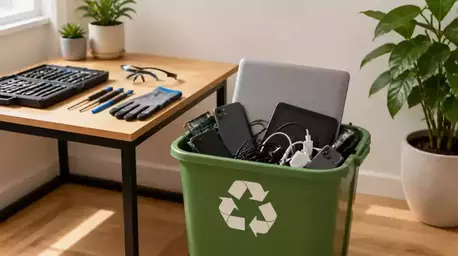
With technology evolving rapidly, e-waste is becoming a significant concern for many businesses. Disposing of old computers, phones, and other electronics improperly can be detrimental to the environment. Luckily, there are responsible ways to handle e-waste!
Consider the following approaches for managing these materials:
- Partner with certified e-waste recyclers who ensure proper disposal.
- Offer recycling days for employees to bring in their old electronics.
- Educate your team on the importance of responsible e-waste disposal.
Understanding Regulations for Hazardous Waste Disposal
In addition to e-waste, batteries and bulbs also fall under hazardous waste regulations. Each state has different laws regarding the disposal of these items. Ignoring these regulations can lead to serious environmental consequences and penalties for your business.
To ensure compliance, keep track of local regulations and incorporate them into your waste management plan. Here are a few tips to stay compliant:
- Regularly review local laws regarding hazardous waste disposal.
- Train your employees on proper disposal practices.
- Establish a clear protocol for handling hazardous materials within your business.
Environmental Management Systems for Compliance
An Environmental Management System (EMS) can help your business stay compliant with regulations while promoting sustainable practices. An EMS will guide you in identifying and mitigating your environmental impacts, ensuring you adhere to the necessary laws and guidelines. By implementing an EMS, you can create a structured approach to managing your waste, reducing risks, and enhancing your overall sustainability efforts. This proactive step aligns well with broader goals of eco-friendly rubbish disposal benefits.
Consider working with experts in environmental management to develop a customized system tailored to your business needs. This way, you can not only ensure compliance but also demonstrate your commitment to sustainability to your customers and the community.
Frequently Asked Questions About Eco-Friendly Waste Management for Small Businesses
Here are some common questions about implementing sustainable waste practices in small businesses:
- What are eco-friendly waste management solutions for small businesses?
Eco-friendly waste management solutions for small businesses include minimizing waste generation at the source, implementing comprehensive recycling programs for various materials (paper, plastic, metal), establishing composting systems for organic waste, utilizing sustainable and biodegradable packaging, and choosing eco-friendly products for daily operations. - How do sustainable practices benefit my business beyond environmental impact?
Integrating sustainable practices offers numerous benefits beyond environmental impact, such as enhancing your brand image and attracting eco-conscious customers, fostering positive workplace morale, encouraging innovation and efficiency in operations, and potentially reducing operational costs through waste reduction and increased resource efficiency. - What types of eco-friendly products should I consider for my business?
For your business, consider switching to recycled paper and biodegradable office supplies, using eco-friendly cleaning products that reduce toxic waste, and installing energy-efficient lighting to lower electricity consumption. Sustainable packaging options like biodegradable bags, recycled cardboard, and reusable containers are also highly recommended. - How can my small business implement an effective composting program?
To implement an effective composting program, start by assessing your business's organic waste production. Then, choose a suitable composting method (on-site bins or a professional service), educate your employees on what can and cannot be composted, and monitor the process to ensure efficiency. - What are the key considerations for handling special waste streams like e-waste and hazardous materials?
For special waste streams such as e-waste, batteries, and bulbs, it's crucial to partner with certified recyclers, offer recycling opportunities to employees, and educate your team on responsible disposal. Additionally, understanding and complying with local regulations for hazardous waste disposal is vital to avoid environmental harm and legal penalties. Implementing an Environmental Management System (EMS) can help streamline compliance efforts.
Recap of Key Points
Here is a quick recap of the important points discussed in the article:
- Adopt Eco-Friendly Waste Management Solutions: Focus on reducing waste generation, recycling materials, and partnering with local waste management services.
- Integrate Sustainable Practices: Incorporate sustainability into your operations to enhance brand image, improve employee culture, and drive innovation.
- Use Eco-Friendly Products: Switch to recycled and biodegradable office supplies, eco-friendly cleaning products, and energy-efficient lighting.
- Implement Sustainable Packaging: Choose recyclable or biodegradable packaging materials to minimize waste.
- Establish a Composting Program: Evaluate organic waste, choose a composting method, and educate your team on composting practices.
- Handle Special Waste Streams Responsibly: Follow regulations for e-waste, batteries, and bulbs, and ensure proper disposal methods are in place.
- Maintain Compliance with Environmental Regulations: Keep informed about local hazardous waste disposal laws and train employees on proper handling practices.
- Consider an Environmental Management System (EMS): Develop an EMS to manage environmental impacts and ensure compliance effectively.