Minimize Waste in Home Cleanouts
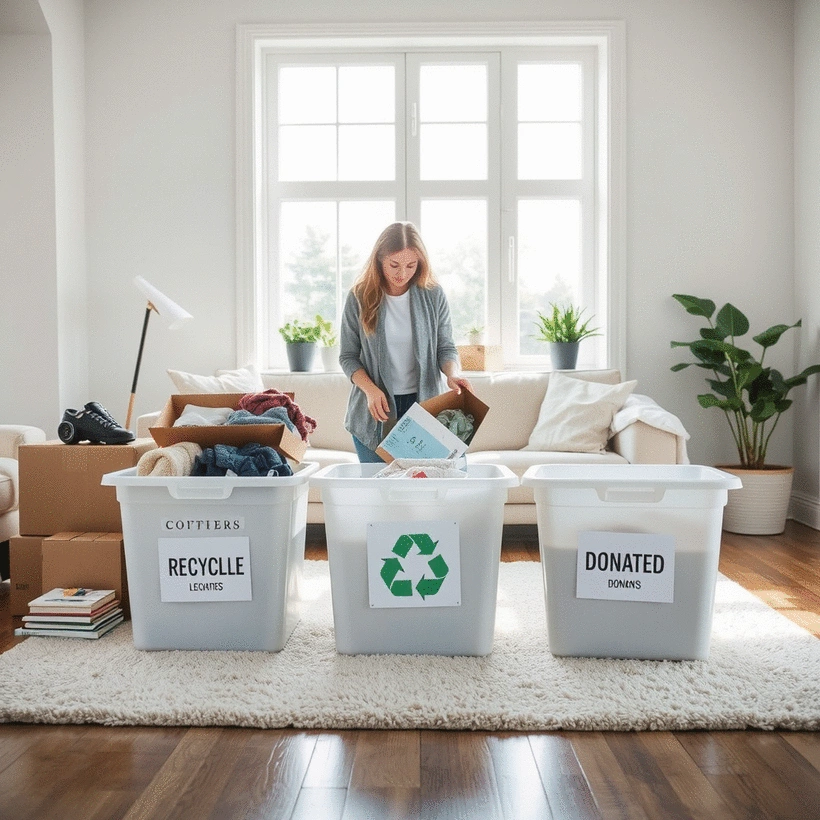
As we grapple with the rising tide of waste, consider this: every item you choose to keep, donate, or repurpose can alter our planet’s future. Embracing sustainability during home cleanouts is more than a chore—it's a commitment to a cleaner and greener world.
What You Will Learn
- The significance of minimizing waste during home cleanouts for environmental health and landfill reduction.
- Practical strategies for utilizing reusable products, such as cloth towels and glass containers, to cut down on waste.
- Effective decluttering methods, including the 'Keep, Donate, Repurpose, Discard' approach, to streamline your cleanout process.
- Innovative DIY cleaning solutions that reduce reliance on commercial products and plastic waste.
- Understanding sustainable disposal options, including donating items and following recycling guidelines.
- The advantages of engaging with community efforts and local charities to foster responsibility towards waste management.
- How to leverage technology for better inventory management and scheduling during cleanouts.
- Tips for maintaining sustainable habits post-cleanout, ensuring long-term commitment to reducing waste.
Waste Management Strategies Overview
Explore practical strategies to minimize waste during home cleanouts through effective categorization and eco-friendly practices. For a more detailed look at efficient planning, consider our guide on preparing for a home cleanout.
Sorting Your Items
- Keep: Items you use regularly.
- Donate: Usable items for others.
- Repurpose: Give old items new life.
- Discard: Broken or unusable items.
DIY Cleaning Solutions
- All-purpose cleaner: Vinegar + Water
- Furniture polish: Olive Oil + Lemon Juice
- Glass cleaner: Water + Rubbing Alcohol
Donation & Recycling Tips
- Find local donation centers.
- Research e-waste recycling facilities.
- Follow proper disposal guidelines.
Sustainable Disposal Options
- Utilize secondhand marketplaces for selling.
- Participate in community clean-up events.
- Leverage junk removal services when needed.
Practical Approaches to Minimize Waste During Home Cleanouts
When it comes to home cleanouts, minimizing waste is not just a good practice—it's essential for creating a sustainable environment. By reducing the amount of rubbish we throw away, we can significantly impact our planet’s health. Think about it: every item that ends up in a landfill contributes to pollution and takes up valuable space. At Rubbish Nest, I believe that every small effort counts in our journey toward sustainability!
Understanding the Importance of Sustainable Cleanouts
Why is minimizing waste during cleanouts important? Each year, millions of tons of waste end up in landfills, leading to environmental degradation and greenhouse gas emissions. By focusing on sustainable cleanouts, we can actively participate in landfill avoidance and contribute to a healthier planet. It’s about making choices that reflect our commitment to the environment and ensuring that we leave a better world for future generations.
When we think about sustainability, it’s not just about what we recycle or throw away; it's about how we approach our everyday lives. Each decision can lead to a more eco-friendly lifestyle. So, let's dive into some practical strategies that can help reduce waste during our cleanouts!
Essential Strategies for Reducing Waste
Utilizing Reusable Alternatives in Daily Life
One of the simplest ways to cut down on waste is to switch to reusable products. Instead of using paper towels, consider cloth towels for cleaning—this small change can make a big difference! Here are a few other alternatives:
- Reusable bags for shopping
- Glass containers instead of plastic
- Beeswax wraps for food storage
By embracing these reusable alternatives, not only do we minimize waste, but we also nurture a lifestyle that values sustainability. It's a win-win situation that makes cleanouts easier and the planet happier! For more ideas on managing costs, explore budget-friendly home cleanout options.
DIY Solutions for Cleaning and Maintenance
Did you know you can make your own cleaning products? Using simple ingredients like vinegar, baking soda, and essential oils can create effective cleaners without the harsh chemicals. Plus, consider composting your food scraps! Combining greens and browns can turn waste into nutrient-rich compost, helping your garden thrive.
Some easy DIY cleaner recipes include:
- All-purpose cleaner: Mix equal parts vinegar and water.
- Furniture polish: Combine olive oil and lemon juice.
- Glass cleaner: Use a mixture of water and rubbing alcohol.
These DIY solutions not only save money but also cut down on plastic waste—just another way we can work towards a cleaner, greener home!
Effective Decluttering Techniques for Waste Reduction
Sorting Your Items: Keep, Donate, Repurpose, Discard
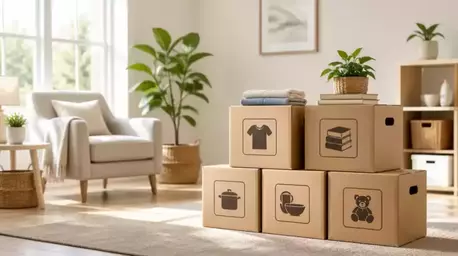
Decluttering can feel overwhelming, but it doesn’t have to be! An effective way to minimize waste is by sorting your items into four categories: Keep, Donate, Repurpose, and Discard. This method allows you to evaluate what you truly need versus what just takes up space.
- Keep: Items you use regularly.
- Donate: Usable items that someone else can benefit from.
- Repurpose: Think creatively about how you can give old items new life.
- Discard: Items that are broken beyond repair or not usable.
By following this strategy, you can significantly reduce the amount of rubbish that ends up in landfills while helping your community and keeping your space tidy!
Starting Small: Creating Manageable Cleanout Plans
Remember, the key to successful decluttering is to start small! Tackling your entire home at once can be daunting. Instead, begin with one room or even one corner. Set achievable goals and create checklists to keep you on track. For instance, aim to declutter for just 15 minutes a day!
- Choose a single drawer or closet.
- Focus on one category: clothes, kitchen items, or electronics.
- Set a timer to keep your sessions short and sweet.
By breaking the process into smaller steps, you’ll find it much easier to stay motivated and feel accomplished as you progress.
Exploring Sustainable Disposal Options
Donation and Recycling: Making the Right Choices
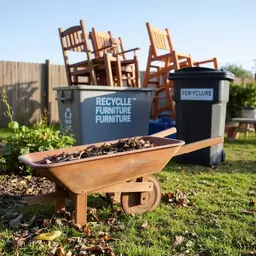
When it comes time to dispose of unwanted items, making thoughtful choices can significantly reduce waste. Consider donating usable items to local charities or shelters. Many organizations are thrilled to accept clothing, furniture, and household goods, ensuring they’re reused rather than discarded.
For materials like e-waste or hazardous materials, be sure to follow recycling guidelines. Here are some tips for making responsible choices:
- Find local donation centers.
- Research e-waste recycling facilities.
- Check for proper disposal of hazardous materials in your area.
By embracing these practices, you can ensure that your cleanout is not just a way to declutter, but also a means of supporting your community and protecting our environment!
Understanding Bulk Pickup and Junk Removal Services
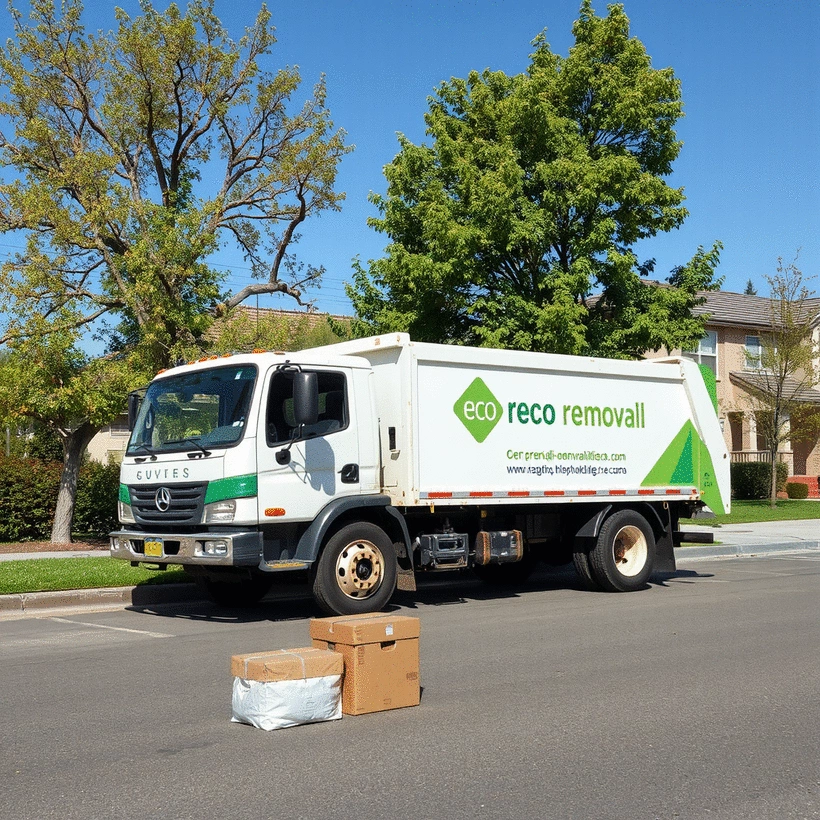
Sometimes, however, we encounter large items that are too cumbersome to handle alone. That's where professional junk removal services, like Rubbish Nest, come into play! We specialize in taking care of bulky items, making the process easy and stress-free for you. It’s crucial to know when to call in the experts versus attempting to tackle these tasks on your own. Learn more about professional rubbish removal services to make an informed decision.
- Call for items like old furniture, appliances, or yard waste.
- Consider your personal safety—if it’s too heavy, ask for help!
- Check if the service offers eco-friendly disposal options.
By using services designed for proper disposal, you can ensure that your cleanout is efficient and environmentally conscious.
Leveraging Secondhand Marketplaces and Thrift Stores
Donating and selling items through secondhand marketplaces and thrift stores not only helps reduce waste but also benefits the community. Many families look for affordable options at thrift stores, making it a great way to give items a second life.
- List items on platforms like Facebook Marketplace or Craigslist.
- Visit local thrift stores that accept donations.
- Consider hosting a garage sale to engage the community!
This not only declutters your space but also fosters a sense of community, making it a rewarding experience for everyone involved.
Incorporating Technology for Better Waste Management
Digital Tools for Inventory and Scheduling
Today’s technology can simplify waste management and decluttering processes. There are numerous apps available that help keep track of items and schedule pickups for donations or recycling. Utilizing these tools can streamline your cleanout process.
- Apps like Sortly for inventory management.
- Task scheduling apps to plan cleanout days.
- Donation organization apps that connect you with local charities.
By leveraging these digital resources, you can make your cleanout more efficient while staying organized in your decluttering journey. For further insights on sustainable practices, refer to our article on eco-friendly rubbish disposal options.
Legal Considerations for Hazardous Waste Disposal
It’s important to be aware of local regulations regarding hazardous waste disposal. Improperly disposing of such materials can lead to fines and environmental harm. Research your local guidelines to understand how to handle these items responsibly.
- Check your city or county’s waste management website.
- Look for scheduled hazardous waste collection days.
- Follow specific disposal instructions for materials like batteries or chemicals.
By staying informed, you can contribute to safe and responsible waste management in your community.
Engage with Your Process!
As you embark on your cleanout journey, consider this: what is your biggest challenge when trying to minimize waste? Is it finding the right resources, knowing how to repurpose items, or perhaps sticking to a plan? Sharing your experiences not only helps you reflect but also strengthens our community of eco-conscious individuals.
Frequently Asked Questions About Sustainable Home Cleanouts
Here are some common questions about minimizing waste during home cleanouts:
- Q: Why is it important to minimize waste during home cleanouts?
- A: Minimizing waste during home cleanouts is crucial for environmental health, as it reduces the amount of rubbish sent to landfills, decreases pollution, and conserves valuable resources. It's a key step towards creating a sustainable environment.
- Q: What are some practical ways to reduce waste in my daily life?
- A: Simple changes like switching to reusable products (e.g., cloth towels, glass containers, beeswax wraps) instead of single-use items can significantly cut down on waste. Making your own cleaning solutions also helps reduce plastic waste and exposure to harsh chemicals.
- Q: How can I effectively declutter my home without creating more waste?
- A: The 'Keep, Donate, Repurpose, Discard' method is highly effective. Keep items you use regularly, donate usable items to charities, find new uses for old items (repurpose), and only discard items that are broken beyond repair or unusable. Starting small with one room or category can make the process less overwhelming.
- Q: What are the best options for disposing of unwanted items sustainably?
- A: For usable items, donation to local charities or selling through secondhand marketplaces (like Facebook Marketplace or thrift stores) is ideal. For specific materials like e-waste or hazardous items, research local recycling facilities and follow proper disposal guidelines. Professional junk removal services can assist with bulky items, often with eco-friendly disposal options.
- Q: How can technology help with sustainable home cleanouts?
- A: Digital tools and apps can streamline the cleanout process by helping with inventory management (e.g., Sortly), scheduling pickups for donations or recycling, and connecting you with local charities. These tools make staying organized and efficient much easier.
Summary of Waste Minimization Strategies
Reinforcing Sustainable Habits Post-Cleanout
After a productive cleanout, it's essential to maintain those sustainable habits! Adopting practices that reduce waste not only helps the environment but also simplifies your life. For instance, consider meal planning to minimize food waste and reorganize your spaces with a minimalist mindset.
Making small adjustments can have a big impact. Here are some strategies to incorporate:
- Plan weekly meals to avoid overbuying groceries.
- Store leftovers in reusable containers to promote their use.
- Regularly assess your belongings to stay organized and clutter-free.
By reinforcing these sustainable habits, you'll find it easier to maintain a clean and livable space. Plus, you'll feel good knowing you’re contributing to a healthier planet, a value that aligns perfectly with our mission at Rubbish Nest!
Encouraging Community Engagement and Responsibility
Getting involved in your community can make a world of difference in promoting responsible waste management! Engaging with local charities and recycling programs fosters a sense of community while helping to reduce waste. When we come together, we can amplify our positive impact!
Here are some ways to get involved:
- Volunteer at local charities to help sort and distribute donated items.
- Participate in community recycling initiatives to spread awareness.
- Join local forums or social media groups to share tips and resources.
When you engage with your community, you not only support local efforts but also inspire others to adopt sustainable practices. It's a win-win situation for everyone involved!
Participating in Community Clean-Up Events
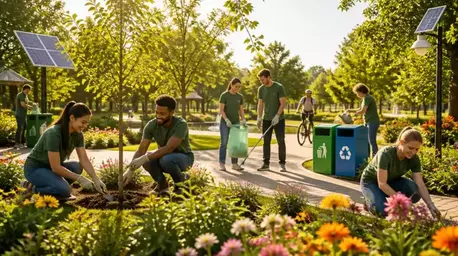
Have you ever thought about joining a local clean-up event? Participating in these gatherings is a fantastic way to contribute to waste reduction while meeting like-minded people! These events not only beautify our neighborhoods but also raise awareness about the importance of keeping our environment clean.
Here are a few benefits of joining clean-up events:
- Enhances community pride and camaraderie.
- Reduces litter in public spaces, making them more enjoyable for all.
- Provides valuable education on waste management and recycling practices.
At Rubbish Nest, we believe in the power of community action. Let's work together to create cleaner, more sustainable environments for everyone!
Taking Action: Your Cleanout Checklist
Creating Your Eco-Friendly Home Cleanout Checklist
Ready to tackle your cleanout with a focused approach? I’ve put together a handy downloadable PDF checklist that summarizes key takeaways and actionable steps you can implement. This checklist will help you stay organized and motivated throughout the process!
Inviting Reader Interaction and Sharing Experiences
I'd love to hear from you! What tips do you have for minimizing waste during home cleanouts? Please share your experiences, ideas, and favorite practices in the comments below. Together, we can build a community dedicated to sustainability and responsible waste management.
Let’s inspire one another to create clutter-free, eco-friendly spaces that contribute to a healthier planet. Every small step counts, and I can’t wait to see what you all share!
Recap of Key Points
Here is a quick recap of the important points discussed in the article:
- Minimize waste during home cleanouts to promote sustainability and reduce landfill contributions.
- Utilize reusable alternatives like cloth towels and glass containers to cut down on single-use products.
- Implement DIY cleaning solutions to reduce plastic waste and save money.
- Sort items into Keep, Donate, Repurpose, and Discard categories for effective decluttering.
- Start small with cleanout plans to maintain motivation and achieve goals.
- Explore donation and recycling options to responsibly dispose of unwanted items.
- Leverage technology for inventory management and scheduling to simplify cleanouts.
- Engage with the community to promote responsible waste management and participate in local efforts.
- Reinforce sustainable habits post-cleanout to maintain a clutter-free and eco-friendly space.