Preparing for a Home Cleanout

Did you know that a well-structured plan can transform the daunting task of a home cleanout into a manageable and even rewarding experience? Proper preparation not only streamlines the organization process but also alleviates emotional stress. Let’s explore how strategic planning can lead to a successful decluttering journey.
What You Will Learn
- The importance of a decluttering checklist to categorize items for efficient decision-making.
- How to create a realistic timeline to prevent feeling overwhelmed during your cleanout.
- Effective packing and labeling techniques that simplify the organization and unpacking processes.
- The role of technology and apps in managing your cleanout and keeping you organized.
- Various storage solutions to temporarily house items during the decluttering phase.
- Eco-friendly methods for disposal and donation to positively impact your community and environment.
Key Steps for a Successful Home Cleanout
The following visual outlines essential steps to prepare for a home cleanout, showcasing the main activities involved in the process.
Decluttering Checklist
- Keep: Regularly used items.
- Donate: Gently used items.
- Dispose: Damaged items.
- Sell: Valuable items.
Scheduling Your Cleanout
- Focus on one room at a time.
- Dedicate 2-3 hours per room.
- Include time for disposal/donation.
Packing and Labeling Techniques
- Clear boxes: Visibility without opening.
- Color-coded labels: For each category.
- Multi-side labels: Visibility from any angle.
Utilizing Technology
- Decluttr: For selling items.
- Sortly: Inventory management.
- Trello: Visual task checklists.
Essential Preparation for a Successful Home Cleanout
Have you ever thought about how daunting a home cleanout can be? The emotional and logistical aspects might feel overwhelming, but proper preparation is key! By understanding the significance of planning, you can make the entire process smoother and less stressful. At Rubbish Nest, we believe that a little foresight can turn a cluttered home into a serene sanctuary. Consider exploring budget-friendly home cleanout options to make your decluttering journey even more accessible.
Understanding the Importance of Proper Planning
Planning your cleanout isn’t just about deciding what to keep or toss; it’s about preparing your mind and space for the journey ahead. Emotional attachments to items can complicate the process, often leading to indecision. By taking the time to prepare, you can ease the emotional burden and tackle your cleanout with a clear mindset!
Logistically, having a plan keeps you organized. It helps you visualize the steps needed to reclaim your space, and it ensures that everything flows smoothly. Think of it this way: would you go on a road trip without a map? The same goes for your cleanout. A detailed plan can guide you through each stage, from sorting to disposal.
Step-by-Step Guide to Preparing Your Home Cleanout
Creating a Comprehensive Decluttering Checklist
One of the best ways to kickstart your cleanout is by creating a decluttering checklist. This checklist should categorize your items into four main groups: keep, donate, dispose, and sell.
- Keep: Items you use regularly and cannot live without.
- Donate: Gently used items that can benefit others.
- Dispose: Damaged or broken items that can’t be salvaged.
- Sell: Valuable items that can earn you some cash!
Having this checklist not only keeps you organized but also helps you make decisions quickly. As you sort through your belongings, ask yourself questions like, “When was the last time I used this?” This can help clarify your thoughts on what to keep and what to part with. Trust me, a checklist is a game-changer! For more tips on efficiently clearing out unwanted items, check out how to declutter your home with rubbish removal.
Scheduling Your Cleanout: Setting Realistic Timelines
Now that you have your checklist, it's time to set a timeline for your cleanout! Be realistic with your schedule, considering how much time you can dedicate to the task. Aim for a weekend or a few evenings spread across a week, depending on your availability. Remember, it's a marathon, not a sprint!
Start by blocking out time in your calendar. Here’s a simple plan to get you going:
- Start with one room at a time to avoid feeling overwhelmed.
- Dedicate 2-3 hours for sorting each room.
- Allow an extra hour or two for disposal or donation drop-offs.
Scheduling your cleanout this way creates small, manageable tasks instead of one massive project. You’ll feel accomplished as you check off each room, and you’ll be motivated to keep going!
Organizational Strategies for an Efficient Cleanout
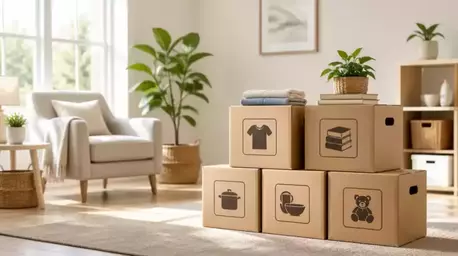
Effective Packing and Labeling Techniques
As you begin packing, it’s crucial to have a system in place. Using clear boxes is a fantastic way to see what’s inside without opening each one! Labeling each box clearly will save you time when you're unpacking later.
- Use color-coded labels for each category (keep, donate, etc.).
- Label on multiple sides of the box so it’s visible no matter how you stack them.
- Include a brief description of the contents for easy identification.
These simple techniques can drastically reduce the chaos and confusion that often accompany a cleanout. It’s all about making the process as efficient as possible!
Utilizing Technology to Manage Your Cleanout
Don’t underestimate the power of technology in your cleanout journey! There are numerous apps and tools available that can help you stay organized and on track. For example, inventory management apps can help you keep tabs on what you’re keeping versus what you’re letting go.
- Decluttr: Great for selling items.
- Sortly: Ideal for keeping an inventory of what's in each box.
- Trello: You can create a visual checklist of your tasks!
These tools not only make the process easier but can also add a bit of fun to the task. At Rubbish Nest, we believe in making rubbish removal a hassle-free experience, and utilizing these technologies is a step in that direction! For more details on efficient removal, consider learning about professional rubbish removal services.
Storage Solutions for Your Cleanout
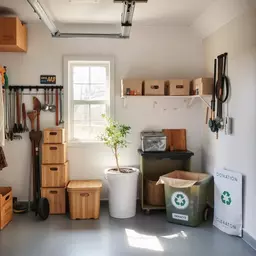
During your decluttering process, you may find you need temporary storage for certain items. This is normal! Whether you’re waiting to sell, donate, or decide on an item, having storage solutions can help keep your space tidy.
- Portable storage containers: Convenient for items you're unsure about.
- Friend or family garage: If they have the space, they can help keep things out of your way.
- Self-storage units: A great option if you have several items to store long-term.
Remember, the goal is to create a clean and organized space, so don’t hesitate to utilize these storage options to make your cleanout as smooth as possible!
Disposal and Donation: Navigating Your Options
Once you’ve sorted your items, it’s time to think about disposal and donation. This is where you can make a positive impact on your community while decluttering your space.
Pro Tip
As you embark on your cleanout journey, consider implementing the "One-Year Rule." This rule suggests that if you haven't used an item in the past year, it's time to rethink its place in your home. This strategy can significantly reduce indecision and help you make quicker choices about what to keep and what to part with.
Frequently Asked Questions About Home Cleanouts
- Q: Why is proper planning important for a home cleanout?
- A: Proper planning helps streamline the organization process, alleviates emotional stress, and guides you through each stage from sorting to disposal, making the entire cleanout smoother and less overwhelming.
- Q: What are the main categories for a decluttering checklist?
- A: The main categories are "keep" (regularly used items), "donate" (gently used items), "dispose" (damaged items), and "sell" (valuable items).
- Q: How should I schedule my home cleanout to avoid feeling overwhelmed?
- A: It's best to start with one room at a time, dedicating 2-3 hours for sorting each, and allowing extra time for disposal or donation drop-offs. This breaks the task into manageable segments.
- Q: What are some effective packing and labeling techniques?
- A: Use clear boxes for visibility, color-code labels for different categories, and label on multiple sides of each box with a brief description of its contents for easy identification.
- Q: Can technology help with a home cleanout?
- A: Yes, apps like Decluttr can help sell items, Sortly can manage inventory in boxes, and Trello can be used for visual task checklists, making the process more efficient and organized.
Summarizing Key Takeaways for Effective Home Cleanouts
When it comes to a successful home cleanout, preparation and organization are your best friends! A well-thought-out plan can make all the difference in turning a daunting task into a manageable one. By dedicating time to strategize and create a roadmap for your cleanout, you’ll find that the benefits are not just about the physical space you’re reclaiming but also about the mental clarity you’ll gain.
To kick off your journey, remember these essential points: a thorough checklist helps keep you on track, scheduling realistic timelines prevents overwhelm, and engaging with local donation centers allows you to give back while clearing your clutter. With these strategies in hand, you’ll be well-equipped to tackle the challenge ahead!
Encouraging Action: Utilize Resources and Tools
Now that you understand the importance of preparation, let’s make it even easier! I’ve put together some handy resources to help you navigate your cleanout process smoothly. Checklists and organizational tools can be game-changers, providing structure and a sense of accomplishment as you check off completed tasks.
- Downloadable Decluttering Checklist: A simple guide to help you categorize your belongings effectively.
- Storage Solutions Guide: Tips on where to place items during your cleanout.
- Tech Tools: Apps that can assist with inventory and donation tracking.
At Rubbish Nest, we believe in making your cleanout journey as smooth as possible. By utilizing these resources, you can not only enhance your efficiency but also enjoy the process of creating a clutter-free home!
Final Thoughts on Eco-Friendly Cleanout Practices
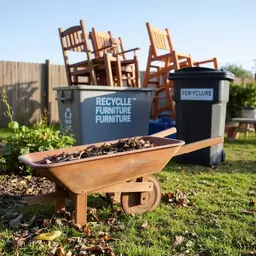
As you embark on your cleanout journey, it’s vital to consider sustainable disposal methods. Not only does responsible decluttering help the environment, but it also aligns with our mission at Rubbish Nest to promote eco-friendly practices. When you dispose of items properly—whether through recycling or donating—you’re contributing to a healthier planet.
Here are a few eco-friendly practices to keep in mind:
- Recycle: Separate recyclables from regular trash.
- Donate: Give items a second life by finding local charities.
- Compost: If applicable, compost organic waste instead of sending it to a landfill.
Engagement Encouragement: Share Your Cleanout Journey
Now that you’re armed with all these tips, I’d love to hear about your cleanout experiences! Have you recently tackled a big decluttering project? What strategies worked best for you? Share your stories and insights in the comments below or connect with us on social media. Together, let’s inspire each other and create a community dedicated to clean, livable spaces!
At Rubbish Nest, we’re here to support you every step of the way. Let’s embark on this journey to a tidier, happier home together! For those living in apartments, don't forget to check out our guide on eco-friendly apartment rubbish removal.
Recap of Key Points
Here is a quick recap of the important points discussed in the article:
- Importance of Planning: A well-structured plan helps ease emotional burdens and keeps you organized throughout the cleanout process.
- Decluttering Checklist: Categorize items into keep, donate, dispose, and sell to streamline decision-making.
- Realistic Timelines: Schedule dedicated time for each room to avoid overwhelm and maintain motivation.
- Packing and Labeling: Use clear boxes and color-coded labels to simplify packing and unpacking.
- Utilize Technology: Leverage apps for inventory management and organization to enhance efficiency.
- Eco-Friendly Practices: Focus on recycling, donating, and composting to contribute positively to the environment during your cleanout.