Recycle Appliances the Right Way
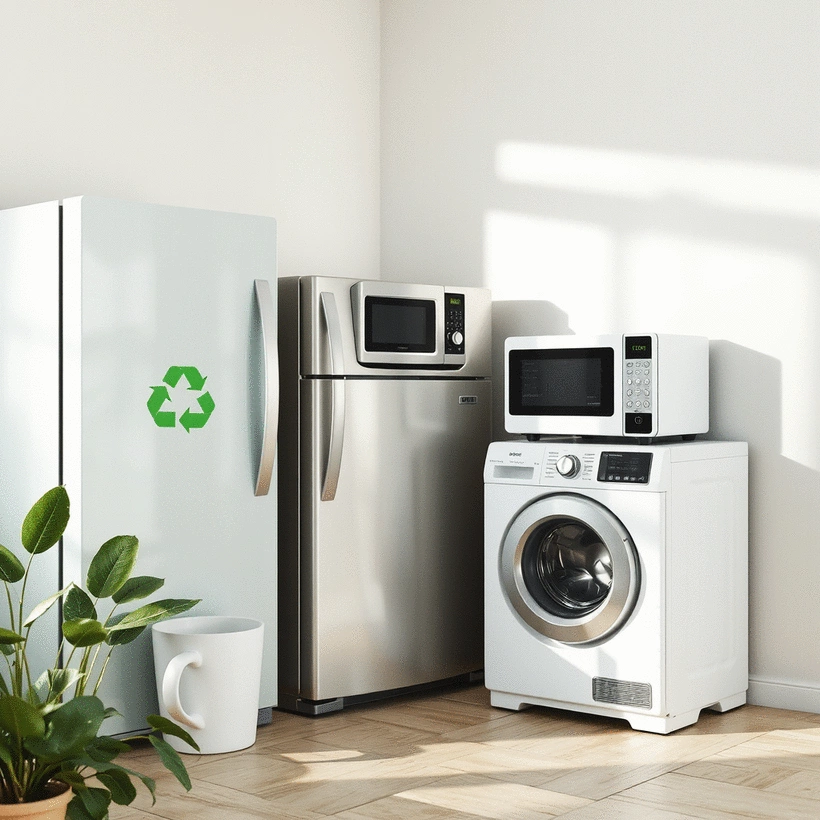
In a world where discarded appliances contribute to environmental degradation, understanding how to recycle them responsibly is essential. Each appliance contains materials that can either harm our planet or be repurposed for new uses. Are you ready to learn how your choices can make a difference?
What You Will Learn
- The environmental risks associated with improper disposal of appliances, including soil and water pollution.
- Common hazardous materials found in appliances, such as refrigerants, lead, and mercury, and their potential health impacts.
- The role of the EPA in promoting safe recycling practices and providing resources for consumers and businesses alike.
- Key benefits of recycling appliances, including reducing landfill waste, conserving resources, and preventing pollution.
- Strategies to engage your community in recycling initiatives, fostering a culture of sustainability.
- Best practices for choosing eco-friendly appliances and making informed decisions regarding appliance repairs and replacements.
- How to find local recycling resources effectively to ensure responsible disposal of your old appliances.
- The importance of embracing a circular economy to promote sustainability and resource efficiency in appliance use.
Environmental Benefits of Responsible Appliance Recycling
Key benefits of recycling appliances for the environment are summarized below:
Reduces Landfill Waste
Proper disposal minimizes the amount of garbage sent to landfills.
Conserves Resources
Reusing materials means less energy is spent on manufacturing new products.
Prevents Pollution
Responsible recycling prevents harmful substances from entering our soil and water.
Supports Local Economies
Many recycling initiatives create jobs and promote local businesses.
Understanding the Importance of Responsible Appliance Recycling
Have you ever thought about what happens to your old appliances once you’re done with them? It’s crucial to understand the importance of responsible appliance recycling, especially in an age where our actions can significantly affect the environment. At Rubbish Nest, we believe that being conscious of how we dispose of our appliances not only helps our communities but also contributes to a healthier planet! If you're looking for ways to manage your household waste efficiently, exploring budget-friendly home cleanout options can also provide valuable insights. Let’s dive into why this is so important.
The Environmental Impact of Improper Appliance Disposal
Improper disposal of appliances can lead to serious environmental issues. Many appliances contain harmful substances that can leak into the soil and water if not disposed of correctly. This can lead to pollution and even affect the health of local ecosystems!
Here are some key points about the environmental impact of improper appliance disposal:
- Soil Contamination: Hazardous materials can leach into the ground, harming plants and animals.
- Water Pollution: Toxic substances can seep into groundwater, affecting drinking water sources.
- Increased Landfill Waste: Appliances take up significant space in landfills, contributing to overflowing waste systems.
What Are Hazardous Materials in Appliances?
Understanding what makes an appliance hazardous is essential for responsible recycling. Common hazardous materials found in appliances include refrigerants, heavy metals, and certain plastics. These materials can be dangerous if they find their way into the environment.
Here’s a quick list of hazardous materials you might encounter:
- Refrigerants: Found in refrigerators and air conditioners, these can harm the ozone layer.
- Lead: Present in older appliances, lead can pose serious health risks.
- Mercury: Often found in thermostats and fluorescent bulbs, mercury is toxic even in small amounts.
Role of the EPA in Appliance Recycling
The Environmental Protection Agency (EPA) plays a vital role in promoting responsible appliance recycling. They provide guidelines and resources to help both consumers and businesses understand how to dispose of appliances safely. At Rubbish Nest, we follow these guidelines closely to ensure that we’re doing our part for the environment! For more information on responsible waste management, consider our eco-friendly apartment rubbish removal services.
The EPA offers valuable information on:
- Best Practices: Recommendations on how to recycle various types of appliances.
- Local Resources: Tools for finding nearby recycling centers and programs.
- Incentives: Information about programs that encourage recycling and proper disposal.
By following the EPA's guidelines, we can all contribute to a cleaner, greener planet while making the most of our resources. So, are you ready to take the next step in responsible recycling? Let's make a positive impact together!
Quick Summary
Here's a brief recap of the key points discussed so far:
- Improper appliance disposal can lead to soil contamination, water pollution, and increased landfill waste.
- Common hazardous materials like refrigerants, lead, and mercury can pose serious health risks if not handled properly.
- The EPA provides essential guidelines and resources to promote responsible recycling practices.
Frequently Asked Questions About Appliance Recycling
Here are some common questions about responsible appliance recycling:
- Q: Why is responsible appliance recycling important?
- A: It's crucial because discarded appliances contribute to environmental degradation. They contain materials that can harm the planet or be repurposed, reducing landfill waste, conserving resources, and preventing pollution.
- Q: What are the environmental risks of improper appliance disposal?
- A: Improper disposal can lead to serious environmental issues like soil contamination from hazardous material leaching, water pollution affecting drinking water sources, and increased landfill waste.
- Q: What hazardous materials are commonly found in appliances?
- A: Common hazardous materials include refrigerants (in refrigerators and AC units) that harm the ozone layer, lead (in older appliances) which poses health risks, and mercury (in thermostats and fluorescent bulbs) which is toxic.
- Q: How does the EPA help with appliance recycling?
- A: The EPA plays a vital role by promoting responsible appliance recycling, providing guidelines and resources for consumers and businesses, and offering tools to find local recycling centers and programs.
- Q: What are the key benefits of recycling appliances?
- A: Key benefits include reducing landfill waste, conserving valuable resources by reusing materials, preventing harmful substances from polluting soil and water, and supporting local economies through job creation and business promotion.
- Q: How can communities encourage appliance recycling?
- A: Communities can organize recycling drives, share information on social media to spread awareness, and partner with local organizations like Rubbish Nest to facilitate efficient recycling.
- Q: What are some eco-friendly practices for appliance use?
- A: Eco-friendly practices include choosing energy-efficient appliances, repairing them instead of immediately replacing them, and educating others about sustainable choices.
- Q: What is the circular economy in relation to appliance use?
- A: The circular economy encourages reusing, repairing, and recycling products instead of the traditional "take, make, dispose" model. This involves prioritizing durable appliances, engaging in repair communities, and participating in trade-in programs.
Recap of Responsible Appliance Disposal Practices
As we wrap up our discussion on responsible appliance recycling, it’s important to highlight the significant environmental benefits that come from this practice. By recycling appliances, we not only reduce landfill waste but also conserve valuable resources. For instance, many metals and materials can be reused, significantly lowering the need for new materials to be extracted and processed. This contributes to a healthier planet, which is something we at Rubbish Nest are passionate about! You can learn more about how we help communities by checking out our professional rubbish removal services.
Additionally, engaging in recycling not only helps the environment but also fosters a sense of community. When we all participate in responsible disposal practices, we set an example for others and encourage family and friends to follow suit. Creating a ripple effect of sustainability can lead to a more environmentally-conscious society, and I truly believe that every small action counts!
Summarizing the Environmental Benefits of Recycling
Recycling appliances is more than just a trend; it is a crucial step towards preserving our environment. Here’s a quick recap of the key benefits:
- Reduces landfill waste: Proper disposal minimizes the amount of garbage we send to landfills.
- Conserves resources: Reusing materials means less energy is spent on manufacturing new products.
- Prevents pollution: Responsible recycling prevents harmful substances from entering our soil and water.
- Supports local economies: Many recycling initiatives create jobs and promote local businesses.
At Rubbish Nest, we are committed to ensuring that your appliances are disposed of responsibly, aligning with these benefits to support a cleaner world.
Encouraging Community Engagement in Recycling Initiatives
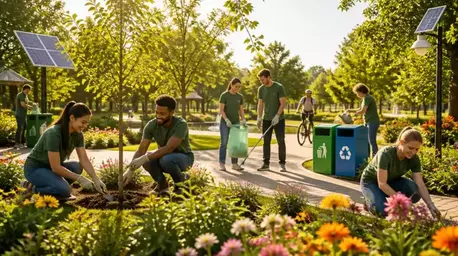
One of the most rewarding aspects of recycling is seeing how it brings people together! Engaging the community in recycling initiatives can amplify our collective efforts towards sustainability. Here are some ideas to inspire participation:
- Organize recycling drives: Gather your neighbors and host an event to collect old appliances.
- Share information: Use social media to spread awareness about the importance of recycling.
- Partner with local businesses: Work with organizations like Rubbish Nest to facilitate easy and efficient recycling.
By taking these steps, you can help make a significant impact on your community and create a culture of recycling that benefits everyone!
Understanding the Role of Eco-Friendly Practices
Eco-friendly practices are essential in the journey toward sustainability, especially in waste management. By adopting these practices, we can make conscious decisions that positively affect our environment. Some effective eco-friendly practices include:
- Choosing energy-efficient appliances: Opt for appliances that consume less energy, reducing their overall environmental impact.
- Repairing instead of replacing: When possible, consider fixing appliances before deciding to recycle them.
- Educating others: Share the importance of eco-friendly practices with family and friends to raise awareness.
Let's strive to integrate these practices into our daily lives, paving the way for a cleaner, greener future!
Taking Action: Next Steps for Responsible Appliance Recycling
Now that we’ve covered the benefits and practices of responsible appliance recycling, it’s time to take action! Armed with knowledge, it’s crucial to know how to utilize local resources effectively.
Finding and Using Local Recycling Resources
Finding the right recycling resources in your area can make the process so much easier. Start by:
- Researching local recycling centers: Many cities have specific locations designated for appliance recycling.
- Checking community bulletin boards: Look for announcements about upcoming recycling events.
- Asking Rubbish Nest: We can assist you in identifying nearby resources and options for recycling! For more detailed guidance, explore our page on local eco-friendly rubbish removal options.
Using these resources ensures that your old appliances are disposed of properly, and it helps promote community efforts toward sustainability.
Understanding Your Role in Sustainable Waste Management
As individuals, we all play a part in sustainable waste management. It’s about making informed choices and encouraging others to do the same! Here are a few ways you can contribute:
- Be proactive: Take responsibility for your waste and choose recycling options whenever possible.
- Stay informed: Keep learning about best practices in waste management, and share this knowledge.
- Lead by example: Show family and friends how easy it is to recycle responsibly!
When everyone pitches in, we can create a more sustainable future for ourselves and generations to come!
Embracing the Circular Economy in Appliance Use
The concept of a circular economy is all about sustainability and resource efficiency! Instead of the traditional "take, make, dispose" approach, we encourage a model where products are reused, repaired, and recycled. Here’s how to embrace this philosophy:
- Prioritize durable appliances: Invest in long-lasting products to reduce waste over time.
- Engage in repair communities: Join local groups focused on fixing and maintaining appliances.
- Participate in trade-in programs: Look for options that allow you to exchange old appliances for discounts on new ones.
By embracing the circular economy, we can help minimize waste and promote a healthier environment for everyone! To learn more about efficient waste management and how you can declutter effectively, consider reading our article on how to declutter your home with rubbish removal.
Recap of Key Points
Here is a quick recap of the important points discussed in the article:
- Environmental Impact: Improper appliance disposal can lead to soil contamination, water pollution, and increased landfill waste.
- Hazardous Materials: Appliances may contain harmful substances like refrigerants, lead, and mercury that require careful handling during disposal.
- EPA Guidelines: The Environmental Protection Agency offers valuable resources and best practices for safe appliance recycling.
- Community Engagement: Organizing recycling drives and sharing information can foster community participation in recycling initiatives.
- Eco-Friendly Practices: Choose energy-efficient appliances, consider repairs, and educate others to promote sustainability.
- Local Resources: Utilize local recycling centers and community events to ensure responsible disposal of appliances.
- Circular Economy: Embrace sustainability by prioritizing durable products, engaging in repair communities, and participating in trade-in programs.