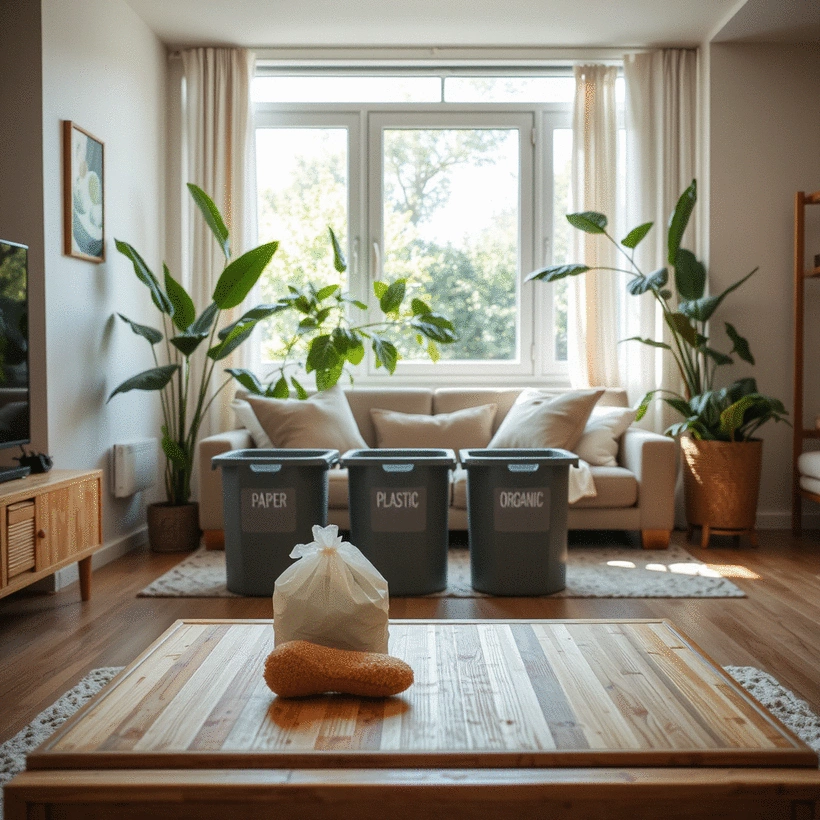
Clutter-Free Living Space Tips

Consider how a tidy home can elevate your mood and productivity. A cluttered space doesn't just look bad; it can weigh heavily on your mental well-being. By embracing a clutter-free lifestyle, you are not only transforming your home but also nurturing your mind!
What You Will Learn
- The psychological benefits of decluttering, including increased focus and enhanced mood.
- How a clutter-free environment can reduce stress and anxiety levels.
- The importance of seasonal maintenance routines to prevent clutter from accumulating.
- Effective strategies for involving family members in the decluttering process.
- Real-world insights and testimonials that highlight the transformative power of a clean space.
- Best practices for maintaining a clutter-free home, including setting realistic goals and celebrating small victories.
- Common FAQs about clutter-free living and how to manage it effectively over time.
Psychological Benefits of Decluttering
Discover the key psychological benefits that come with a clutter-free space:
Increased Focus
A clean space can help improve your concentration and decision-making abilities.
Enhanced Mood
A tidy environment can lead to a more positive outlook on life.
Greater Productivity
An organized space may help you accomplish tasks more efficiently.
Understanding the Importance of a Clutter-Free Living Space
Have you ever walked into a room and felt instantly overwhelmed by the mess? You're definitely not alone! Many families, just like those who reach out to us at Rubbish Nest, feel the weight of clutter hanging over them. A clutter-free living space can transform not just your home, but your mood and overall well-being. To learn more about how specialists can help, read about professional rubbish removal services explained.
Creating a clean environment is more than just aesthetics; it plays a significant role in our mental health. Decluttering doesn’t just make your space look better; it can help create a sense of peace and control in your life. Imagine coming home after a long day to a tidy, organized space where you can relax and unwind.
The Psychological Benefits of Decluttering
Let's dive into some of the amazing psychological benefits of decluttering! When you declutter, you are actively making choices about what to keep and what to let go. This process can be incredibly empowering. Here are some benefits:
- Increased Focus: A clean space can help improve your concentration and decision-making abilities.
- Enhanced Mood: A tidy environment can lead to a more positive outlook on life.
- Greater Productivity: An organized space may help you accomplish tasks more efficiently.
Decluttering is not just a chore; it’s a form of self-care! By taking the time to create a clutter-free space, you’re investing in your mental health and well-being.
Reducing Stress and Anxiety through Organization
Did you know that clutter can be a significant source of stress? When our surroundings are cluttered, it can feel like our brains are cluttered too! By organizing your space, you can help reduce anxiety levels. It allows you to take a breath and feel more in control of your environment. You can also explore how to declutter your home with ease for additional tips.
Every item you choose to keep should bring you joy or serve a purpose. This approach can create a much more calm and organized atmosphere. So, the next time you feel stressed, consider tackling just one small area of your home!
The Link Between Clutter and Mental Health
The connection between clutter and mental health is real! Studies have shown that being surrounded by mess can lead to feelings of overwhelm and even depression. When your mind is clear, you’re more likely to have the energy and motivation to tackle daily tasks.
At Rubbish Nest, we often see how a simple cleanout can instantly uplift a client’s mood. They experience a newfound sense of freedom and clarity. Taking that step to declutter not only improves your space but can lead to lasting changes in how you feel about yourself and your home.
Foundational Mindset for Maintaining Minimalism
Now that we understand why a clutter-free space is vital, let’s shift our focus to maintaining minimalism. Embracing a minimalist mindset is essential for long-term success in decluttering. It’s about being intentional with the items we choose to keep in our lives.
By focusing on what truly matters, you’re able to cultivate a peaceful and organized environment. Let’s dive deeper into how we can embrace this approach in our daily lives!
Interactive Poll: Your Decluttering Journey
We want to know about your experiences with decluttering! What has been your biggest challenge in maintaining a clutter-free home?
Strategies for Seasonal Maintenance and Clutter Prevention
Have you ever noticed how clutter seems to sneak up on us? One of the best ways to combat this sneaky mess is by establishing seasonal maintenance routines. By setting aside time to declutter and organize as the seasons change, we can keep our spaces fresh and inviting. It’s all about creating a rhythm in our homes—just like nature itself!
At Rubbish Nest, we believe in the power of a **seasonal approach**. Consider creating a checklist to guide your seasonal decluttering efforts. This will help you stay focused and ensure no area gets overlooked. Plus, it turns a daunting task into manageable steps, making the process feel less overwhelming! For more in-depth guidance, consider our step-by-step guide to home cleanouts.
- Schedule a decluttering day at the start of each season.
- Sort through items like clothing and decorations, deciding what to keep, donate, or recycle.
- Deep clean your home, refreshing spaces that might have been neglected.
Implementing Seasonal Decluttering Routines
When the weather changes, so should our spaces! Implementing a seasonal decluttering routine helps keep things organized. I often recommend tackling one room at a time, which can make the process feel less intimidating. Think about which area needs the most attention and start there!
As you begin this seasonal decluttering, I encourage you to think about **rotating items**. For instance, if you have seasonal clothing or holiday decorations, consider rotating them in and out of storage. It’s a great way to keep your home looking fresh and relevant to the time of year.
- Store summer clothes in bins during winter months.
- Swap out holiday decorations to keep things festive and fun.
- Regularly evaluate items to prevent overcrowding.
Preparing for Seasonal Changes
Preparing for seasonal changes is essential for a clutter-free space. Keep an eye on the weather and plan your decluttering sessions accordingly. If you notice a shift in temperatures, take that as your cue to act! It’s an easy way to remind yourself to refresh your home.
Additionally, think about how the seasons impact your lifestyle. For instance, as we move into winter, you might want to declutter your garage to ensure you can easily access winter gear. It’s these small shifts in perspective that can make a world of difference!
Adopting a Maintenance Schedule for Seasonal Cleaning
Creating a maintenance schedule is like giving your home a regular check-up! Just like I regularly check in with clients at Rubbish Nest to ensure their spaces stay clean, you can create a schedule for yourself. This keeps clutter at bay and ensures that your home stays a welcoming space.
Consider setting reminders or scheduling cleaning days on your calendar. By making it a priority, you’ll be more likely to follow through and enjoy the benefits of a tidy home. It's a great way to foster good habits that will last long after the initial clean!
Real-World Insights and Case Studies on Clutter-Free Living
Transforming a cluttered space into a clean haven can feel like magic! I love sharing real-world insights and case studies that highlight successful decluttering journeys. These stories inspire us and show that anyone can create a clutter-free environment with a little effort!
One of our cherished clients at Rubbish Nest recently shared their before-and-after experience with their living room. They struggled with overwhelming clutter and didn’t know where to begin. After a thorough declutter, they felt an immense sense of relief! Stories like this remind us of the powerful impact a tidy space can have on our lives.
- Before: A cluttered living room filled with unused furniture and forgotten toys.
- After: A bright, open space that feels inviting and functional.
- Lessons learned: Regular maintenance is key to sustaining the clean environment.
Before-and-After Transformations
Before-and-after transformations are some of my favorite stories to tell! They showcase the impact that a little organization can have. Many clients find it motivating to see their spaces transformed, and it can inspire others to take their own decluttering journeys.
When we showcase these transformations, we also highlight the strategies used along the way. This provides *step-by-step guidance* for those who may feel lost in their cluttered spaces. It’s all about turning inspiration into action!
Testimonials from Successful Decluttering Experiences
Testimonials provide validation for those considering a decluttering project. Hearing directly from clients about their experiences can be incredibly motivating. One testimonial I received mentioned how freeing it felt to let go of items they no longer needed. It’s these shared experiences that help create a sense of community and encourage others to take the plunge!
Lessons Learned and Best Practices
Every decluttering journey teaches us something new! Whether it’s about the emotional attachment to items or the joy of creating space, these lessons are valuable. Best practices emerge from these experiences, making future decluttering efforts even more effective.
At Rubbish Nest, we always emphasize the importance of setting realistic goals and celebrating small victories. It’s about making progress, not perfection. This mindset is crucial to maintaining a clutter-free environment long-term!
Practical FAQs on Maintaining a Clutter-Free Home
Let’s address some practical FAQs that come up often regarding clutter-free living. With so much advice out there, it’s good to clarify common questions! I frequently hear from clients wanting to know the best way to maintain their efforts after a successful declutter.
Understanding the typical timeframe for maintaining a clutter-free space can help set expectations. Most people can sustain a clean space with regular upkeep. However, it’s crucial to be patient and allow yourself grace as habits develop!
Frequently Asked Questions About Clutter-Free Living
- Q: What are the main psychological benefits of decluttering?
- A: Decluttering can lead to increased focus, enhanced mood, and greater productivity by creating a calm and organized environment.
- Q: How does clutter impact mental health?
- A: Clutter can be a significant source of stress and anxiety, leading to feelings of overwhelm. A tidy space can reduce these negative feelings and promote a sense of control.
- Q: What is a "minimalist mindset" in the context of decluttering?
- A: A minimalist mindset involves being intentional about the items you keep, focusing on what truly matters and brings joy or serves a purpose, thereby cultivating a peaceful and organized environment.
- Q: How often should I declutter to prevent clutter from returning?
- A: Implementing seasonal decluttering routines (e.g., at the start of each season) and engaging in consistent, small organizational tasks can effectively keep clutter at bay.
- Q: What should I do if clutter starts to accumulate again?
- A: Don't be discouraged! Assess why items are accumulating, and then proactively tackle the mess with handy tools like bins or boxes. Focus on consistent effort rather than perfection.
- Q: How can I involve my family in the decluttering process?
- A: Collaborative decluttering fosters teamwork and shared responsibility. By involving family members, you can collectively maintain a clean environment and build a supportive system.
Common Questions Addressed
- How often should I declutter? Consider scheduling seasonal decluttering sessions.
- What if I feel overwhelmed by clutter returning? Focus on consistent, small organizational tasks.
- Can I involve my family in the process? Absolutely! Collaborative decluttering fosters teamwork.
How Long Does It Take to Maintain a Clutter-Free Space?
How long it takes to maintain a clutter-free space varies from person to person. It all comes down to your habits and routine. Establishing a daily practice of tidying up can significantly impact how long you enjoy a clutter-free environment.
As you consistently make an effort, you’ll find that maintaining your clean space becomes second nature. It’s all about finding what works best for you!
What to Do If Clutter Returns?
If clutter returns, don’t be discouraged! It’s a common experience, and the first step is to assess the situation. Ask yourself why items have accumulated. By pinpointing the causes, you can develop strategies to prevent it in the future. For additional guidance, learn about preparing for a home cleanout.
At Rubbish Nest, we often encourage clients to keep decluttering tools handy—like bins or boxes—so they can tackle messes as they arise. It’s about being proactive and not waiting for clutter to build up!
Consolidating Your Clutter-Free Journey
As we wrap up the discussion, let’s solidify the key habits for ongoing success in your clutter-free journey. Creating a clutter-free environment is not a destination—it’s a lifestyle! By reinforcing positive habits, you’ll foster a lasting change that enhances your living space.
It’s helpful to think about next steps for ongoing maintenance. Setting specific goals, like organizing one area every month or involving family members in the process, can be effective strategies. Remember, it’s about teamwork and shared responsibility! For those on a budget, explore budget-friendly home cleanout options.
Reinforcing Key Habits for Success
- Schedule regular decluttering sessions.
- Keep a donation box handy for items you no longer need.
- Involve family members in maintaining a clean environment.
Next Steps for Ongoing Maintenance
As you move forward, consider what steps you can take to maintain your efforts. Embrace the idea that a clutter-free home is a continuous journey, not a one-time task. Celebrate your successes, no matter how small, and keep striving for that clean, livable space!
Building a Support System for Clutter-Free Living
Finally, don’t underestimate the power of community. Involving others in your decluttering journey can provide motivation and support. Share your goals with friends or family, and encourage them to join you in creating clutter-free spaces together!
At Rubbish Nest, we’re always here to help you along the way. Whether you need tips, support, or a friendly hand to help with rubbish removal, we’re just a call away. Here’s to your journey toward a clutter-free life! Let’s make those living spaces shine!
Recap of Key Points
Here is a quick recap of the important points discussed in the article:
- A clutter-free living space enhances mental health, promoting focus, mood, and productivity.
- Decluttering reduces stress and anxiety by creating a sense of control and calm in your environment.
- Embrace a minimalist mindset to maintain long-term organization and intentional living.
- Implement seasonal decluttering routines to keep your space fresh and manageable.
- Regular maintenance and small organizational tasks can help prevent clutter from returning.
- Involve family members in the decluttering process for teamwork and shared responsibility.
- Celebrate small victories along the way to reinforce positive habits for a clutter-free lifestyle.