Eco-Friendly Rubbish Disposal Tips
In a world increasingly affected by waste, understanding eco-conscious rubbish disposal practices is more important than ever. As communities strive for sustainability, every action counts. Imagine the collective impact we can make by adopting responsible waste management practices that benefit both our environment and future generations!
What You Will Learn
- Eco-friendly rubbish disposal emphasizes reducing, reusing, and recycling to minimize environmental impact.
- Sustainable waste management focuses on environmental health, economic viability, and social equity to promote efficient resource use.
- The waste hierarchy prioritizes actions: Reduce waste generation, Reuse items, and Recycle materials to promote responsible disposal.
- Circular economy principles advocate for designing products for longevity and resource recovery to eliminate waste.
- Resource recovery benefits include reducing landfill waste, conserving natural resources, and supporting local economies.
- Identifying hazardous waste is crucial to prevent environmental and health risks associated with improper disposal.
- Community engagement through initiatives like waste audits and education programs fosters a culture of sustainability.
- Staying informed about local regulations ensures compliance and promotes safe hazardous waste disposal practices.
Waste Management Hierarchy
The waste hierarchy outlines the preferred methods for managing waste. Below is a visual representation of its key concepts. To learn more about how we can manage waste effectively, explore our guide on professional rubbish removal services explained.
Reduce
Cut down on waste generation by making conscious choices.
Reuse
Find new purposes for items instead of throwing them away.
Recycle
Process materials to create new products, keeping them out of landfills.
Understanding Eco-Conscious Rubbish Disposal Practices
In today's world, understanding eco-conscious rubbish disposal practices is crucial for maintaining a healthy environment. The way we manage waste not only affects our immediate surroundings but also contributes to the broader health of our planet. At Rubbish Nest, we believe that responsible waste management should be accessible to everyone. Let’s dive into what makes rubbish disposal eco-friendly and why it matters!
Defining Eco-Friendly Rubbish Disposal
Eco-friendly rubbish disposal involves practices that minimize the environmental impact of waste. This means focusing on reducing waste generation, reusing items when possible, and recycling materials to keep them out of landfills. By choosing eco-friendly methods, we can contribute to a cleaner and greener planet!
What is Sustainable Waste Management?
Sustainable waste management is a holistic approach to handling waste that prioritizes environmental health, economic viability, and social equity. It encourages practices like reducing waste at the source, reusing materials, and recycling to recover valuable resources. By implementing sustainable methods, we can support a future where waste is minimized, and resources are used more efficiently.
The Importance of Waste Hierarchy in Disposal
The waste hierarchy is a key concept in waste management that outlines a prioritized approach to waste disposal. It emphasizes the following steps:
- Reduce: Cut down on waste generation by making conscious choices.
- Reuse: Find new purposes for items instead of throwing them away.
- Recycle: Process materials to create new products, keeping them out of landfills.
Understanding the Circular Economy and Its Impact
The circular economy is an innovative approach that seeks to eliminate waste by promoting the continuous use of resources. In this system, products are designed for longevity, and materials are kept in use for as long as possible. At Rubbish Nest, we align our services with these principles, ensuring that we help families and businesses recycle effectively and responsibly!
How Circular Economy Principles Apply to Waste Management
Circular economy principles focus on creating closed loops in production and consumption. This means:
- Designing products that can be reused or recycled easily.
- Encouraging businesses to use sustainable materials.
- Implementing systems for efficient waste recovery and recycling.
Benefits of Resource Recovery in Eco-Friendly Practices
Resource recovery is a vital aspect of eco-friendly waste practices. It involves converting waste materials into usable resources. The benefits include:
- Reducing landfill waste: Less waste in landfills means less environmental pollution.
- Conserving natural resources: By recycling materials, we save the need for raw materials.
- Supporting the economy: Resource recovery can create jobs and stimulate local economies.
As we explore these eco-conscious disposal practices, it's clear that every small choice we make can contribute to a larger positive impact. Why not take the first step today? Together, we can transform our rubbish disposal habits and create a cleaner, more livable environment for ourselves and future generations!
Quick Summary
Here's a brief recap of the key points discussed so far:
- Eco-friendly rubbish disposal practices aim to minimize environmental impact through reducing, reusing, and recycling.
- The waste hierarchy prioritizes actions we can take to manage waste effectively and sustainably.
- Community engagement, such as waste audits and educational programs, plays a crucial role in promoting sustainable practices.
Understanding Hazardous Waste Disposal
When it comes to rubbish removal, understanding hazardous waste disposal is crucial. Many households have items that, if not disposed of correctly, can harm our community and environment. At Rubbish Nest, we believe that educating our clients on what constitutes hazardous waste is a vital step toward creating a cleaner, safer space for everyone.
Hazardous waste includes materials that can be dangerous to human health or the environment. By identifying these items, we can take necessary steps to dispose of them properly and avoid potential risks. Learning about hazardous waste is not just about compliance—it's also about fostering an eco-conscious mindset in our daily lives. For more on effective waste management, consider how to minimize waste in home cleanouts.
Identifying Household Hazardous Waste
Many people are unaware of what qualifies as household hazardous waste. Here’s a brief list of common items that require special disposal:
- Paints and solvents
- Batteries
- Pesticides and herbicides
- Cleaning products
- Fluorescent light bulbs
It’s essential to understand the risks associated with incorrect disposal. For instance, pouring chemicals down the drain can lead to water pollution, affecting local wildlife and drinking water sources. Therefore, we encourage everyone to become familiar with their belongings and treat these items responsibly.
The Risks of Incorrect Hazardous Waste Disposal
Improper disposal of hazardous waste can lead to serious consequences, not only for the environment but also for public health. Here are some risks associated with incorrect disposal:
- Soil contamination, impacting local ecosystems
- Air pollution from toxic fumes
- Health hazards for waste workers and community residents
By being aware of these risks, we can all contribute to a safer environment. Rubbish Nest is committed to ensuring that hazardous materials are handled with care, and we aim to assist our clients in making informed decisions about disposal.
Compliance with Local Regulations and Services
Each community has specific regulations regarding hazardous waste disposal, and it’s essential to stay informed. At Rubbish Nest, we help our clients navigate these rules to ensure compliance and safety. Here’s how you can find reliable services for disposing of hazardous waste:
- Contact local waste management authorities for guidelines
- Search for licensed waste carriers that specialize in hazardous items
- Utilize council collection services designed for hazardous waste
Complying with local regulations not only protects our environment but also ensures that we’re part of the solution, rather than the problem. By following proper disposal practices, we can all contribute to healthier, cleaner communities. Discover more about local eco-friendly rubbish removal options to support your community's efforts.
Understanding Environmental Regulations for Hazardous Material Handling
Environmental regulations are in place to protect both people and wildlife from the dangers of hazardous materials. Each state has its own set of rules, and understanding them is key for responsible waste management. Here are a few important points to know:
- Fines may be imposed for improper disposal practices
- Training may be required for handling certain hazardous materials
- Regular audits may occur to ensure compliance with safety standards
By staying informed about environmental regulations, we’re able to engage in sustainable practices that benefit us all. At Rubbish Nest, we're always here to help you navigate these complexities for a cleaner tomorrow!
Engaging Your Community in Sustainable Practices
One of the best ways to promote sustainable rubbish disposal is through community engagement. It’s amazing how a few committed individuals can make a significant impact! At Rubbish Nest, we believe in the power of community action and the difference it can make in waste management.
By working together, we can foster a culture of eco-consciousness that benefits not just our immediate surroundings but the entire planet. Let's explore some community-driven strategies that can help spread the word about sustainable waste disposal.
Conducting Waste Audits: A Community Approach
Waste audits are an excellent way to assess what your community throws away and identify areas for improvement. Here are some ideas to get started:
- Gather volunteers to collect data on waste types and volumes
- Share findings through workshops or community meetings
- Create actionable plans based on audit results
By conducting waste audits, we can highlight the need for better disposal practices and spark conversations on sustainability. It’s not just about making a plan, but also about inspiring change!
The Benefits of Community-Based Waste Education Programs
Education is a powerful tool in promoting eco-friendly practices. Implementing community-based waste education programs can yield numerous benefits:
- Increased awareness of hazardous waste and recycling
- Encouragement of sustainable behaviors
- Strengthened community bonds through collaboration
At Rubbish Nest, we’re excited to help facilitate programs that empower communities to make informed decisions about waste management. Together, we can create a ripple effect that leads to lasting change!
Case Studies: Successful Community Initiatives
Many communities have implemented successful initiatives that serve as great examples. Here are a few highlights:
- Local schools organizing recycling competitions
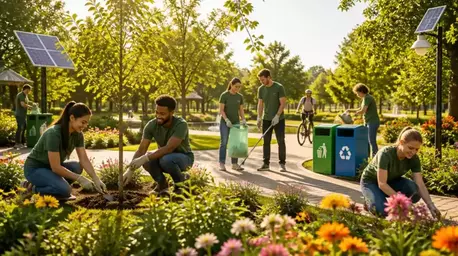
- Neighborhood clean-up days promoting litter prevention
- Community gardens encouraging composting and sustainability
These initiatives not only improve the environment but also build a sense of pride within the community. When everyone is involved, it leads to a stronger commitment to achieving our waste reduction goals! For more ideas on how to manage waste in your home, consider exploring budget-friendly home cleanout options.
FAQs on Eco-Conscious Rubbish Disposal
As we delve deeper into eco-conscious rubbish disposal, it's normal to have questions. Here are some common inquiries with straightforward answers that can guide you:
What Counts as Hazardous Waste?
Hazardous waste includes substances that can harm human health or the environment, such as batteries, chemicals, and certain electronics.
Is Recycling Always Better Than Landfill?
Generally, recycling is preferable as it reduces landfill waste and conserves resources. However, it depends on local recycling capabilities and energy consumption.
How Can I Dispose of Food Waste Sustainably?
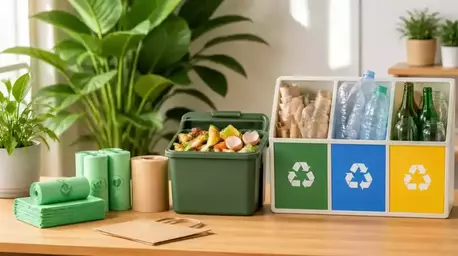
Consider composting food scraps at home or utilizing municipal organic waste collection services to minimize environmental impact and create valuable soil amendments.
What Are Eco-Friendly Products and Their Benefits?
Eco-friendly products are those made from sustainable materials, designed for longevity, and have a reduced impact on the environment throughout their lifecycle. They support a healthier planet while often being safer for your home and personal use.
What is the Waste Hierarchy?
The waste hierarchy prioritizes waste management actions from most to least preferable: Reduce, Reuse, Recycle, Recover, and Dispose. It guides individuals and organizations toward more sustainable practices.
How Does the Circular Economy Differ from a Linear Economy?
A linear economy follows a "take-make-dispose" model, while a circular economy aims to eliminate waste by continuously reusing resources, designing products for longevity, and recovering materials at the end of their life cycle.
Why is Community Engagement Important for Sustainable Waste Management?
Community engagement fosters a collective sense of responsibility, increases awareness, encourages sustainable behaviors through education, and helps implement local initiatives like waste audits and recycling programs, leading to greater overall impact.
Summarizing Best Practices for Eco-Friendly Waste Management
Ultimately, adopting best practices for eco-friendly waste management is a journey we all can embark on! By understanding hazardous waste disposal, engaging with our communities, and implementing sustainable practices, we’ll pave the way for a cleaner future.
Let’s commit to making small changes that lead to significant impacts. Whether you’re at home or in your local neighborhood, every effort counts. Rubbish Nest is here to support you every step of the way in creating a clutter-free and sustainable environment!
Recap of Key Points
Here is a quick recap of the important points discussed in the article:
- Eco-Friendly Rubbish Disposal: Focus on reducing waste, reusing items, and recycling materials to minimize environmental impact.
- Sustainable Waste Management: Prioritizes environmental health, economic viability, and social equity through practices like reducing waste at the source.
- Waste Hierarchy: Follow the steps of Reduce, Reuse, and Recycle to make informed disposal decisions.
- Circular Economy Principles: Promote resource longevity and efficient waste recovery to minimize waste generation.
- Identifying Hazardous Waste: Recognize common hazardous materials like paints, batteries, and cleaning products, and dispose of them properly.
- Community Engagement: Conduct waste audits and educational programs to foster a culture of sustainability.
- Compliance with Regulations: Stay informed about local waste regulations to ensure safe and legal disposal practices.